


What Is Niche Relevance for a Domain?
Niche relevance describes how closely a domain’s name, former content, backlinks, audience, and language match the project you intend to build. Evaluate it as a body of evidence. A marketplace category, a keyword in the hostname, or a third-party topic tag is not enough.
This check applies to both an aged domain with a live history and an expired domain whose archives and citations you can still inspect. Age and expiry describe timelines. Relevance describes whether those timelines belong with the new site.
Third-party scores such as Domain Rating (DR) do not measure topical suitability. Moz Domain Authority (DA) does not either. Those metrics summarize a vendor’s current crawl of a backlink profile. They cannot tell you whether the former audience, language, or linked resources fit the work you plan to publish.
Why Does Topical Fit Matter When Buying?
A relevant history makes honest reuse easier. Existing visitors are less likely to land on an unrelated product. Historically linked URLs are more likely to have natural replacements. Publishers who cited the old site are more likely to recognize a continuation of the same subject rather than a bait-and-switch.
Relevance does not mean the name will rank faster or that “authority” transfers. Search performance still depends on the new content, technical implementation, competition, demand, and link quality. Google’s expired-domain abuse policy still applies when someone buys a previously used name primarily to manipulate rankings.
Treat relevance as a filter before price. If the intended use and the documented past cannot be explained in one paragraph without stretching, a high DR or Referring Domains (RD) count is not a reason to proceed. Continue remaining checks in the domain-vetting workflow.
How Do You Check Relevance Before You Buy?
Write the intended use first: primary site, related publication, brand protection, migration, or investment. Then walk these six checks against archives, live sources, and the planned content—not against a seller’s niche field.
Does the hostname naturally describe the new brand or subject, or only a leftover keyword?
Watch for: Former trademarks, personal names, and locations you cannot continue.Did the former site answer similar questions or serve a related purpose across several years?
Watch for: One clean homepage over spam, parking, or unrelated affiliate shells.Are the strongest live links embedded in relevant articles, organizations, or communities?
Watch for: Sitewide footers, directories, and mentions of a brand you will not operate.Can you create legitimate equivalents for the pages that earned those links?
Watch for: Copyrighted reports, tools, or datasets you cannot republish.Do language, country, and user expectations match the new publication?
Watch for: A .co.uk education archive reused as a US ecommerce store with no bridge.Is the new business model compatible with why people previously visited and linked?
Watch for: Informational citations reused as a casino, coupon, or lead-gen funnel.Sample more than the current homepage. The domain-history workflow is the place to reconstruct topic, language, and ownership changes before you score any of these rows as strong.
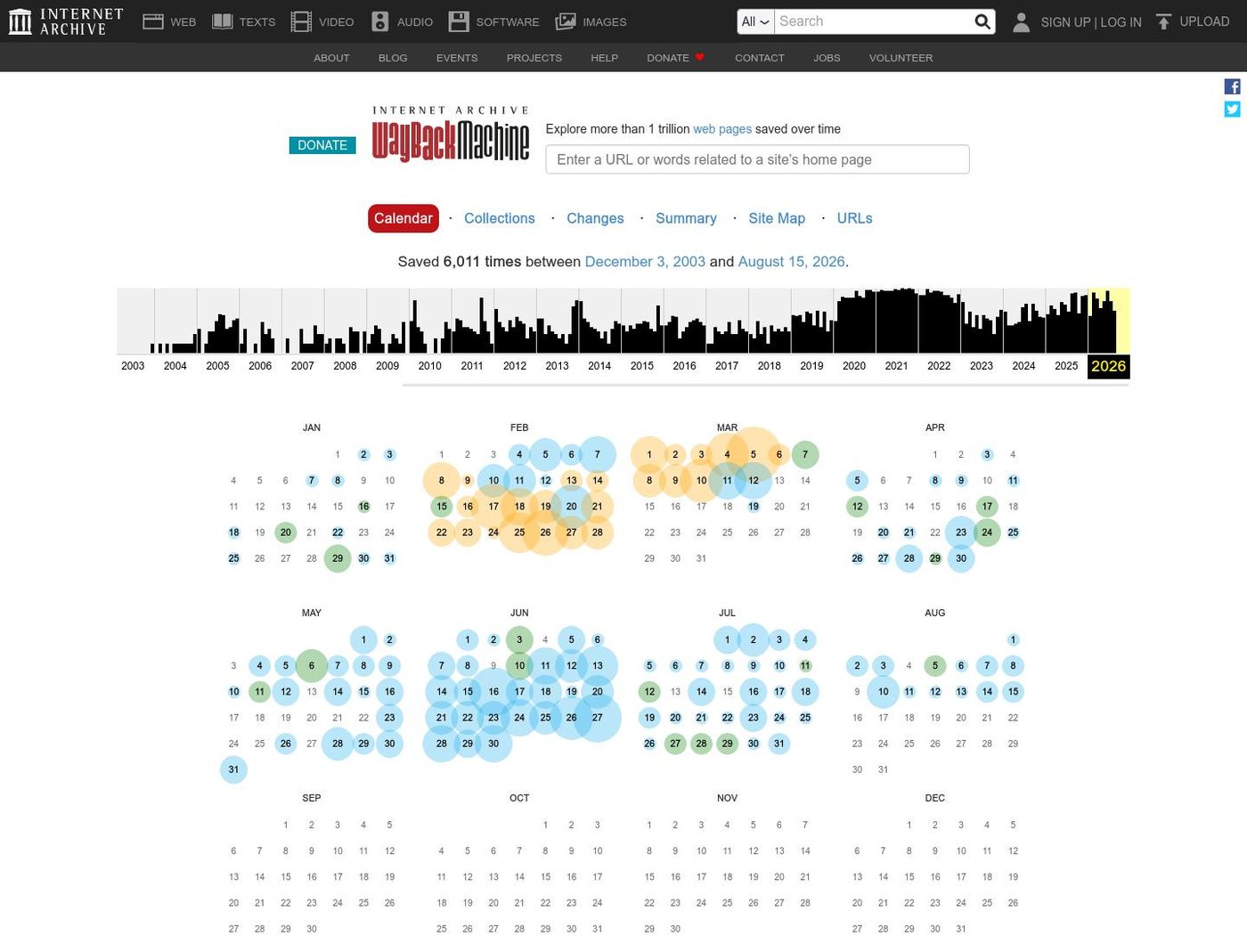
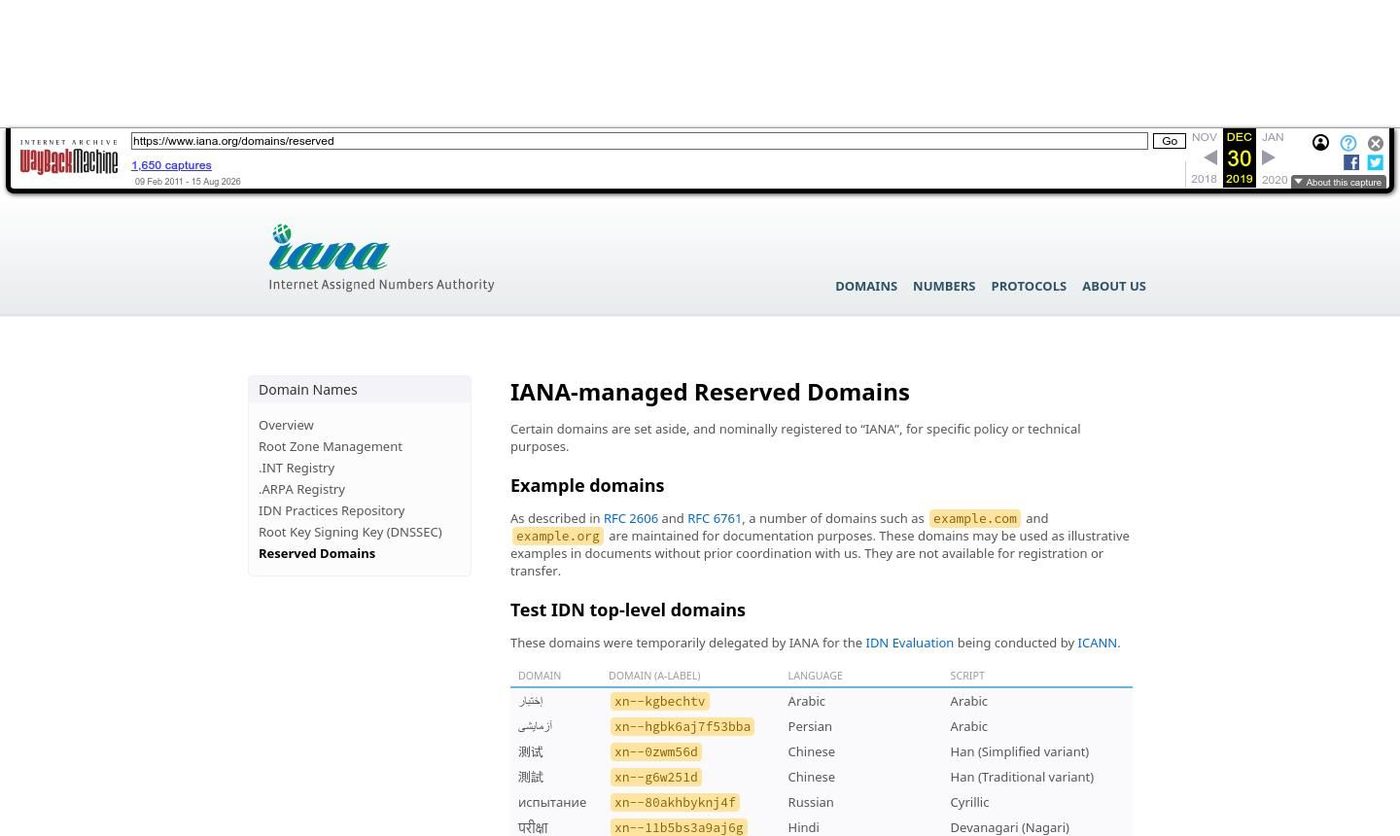
After the calendar, open captures on several dates. Check About, resource, and historically linked URLs. A heatmap only shows that a crawler visited; the page itself shows whether the topic still fits.
What Counts as a Strong, Partial, or Poor Match?
Use these as planning categories, not grades. A strong match can still fail legal or technical review. A partial match can still be usable if you keep only the overlapping subject and price the rest as unused.
A former local gardening magazine becomes a new gardening publication for the same region.
Plan: Preserve useful topics and replace linked resources with original, current equivalents.A general design resource becomes a focused UX research publication.
Plan: Keep the overlapping subject area and accept that unrelated links may add little.A former school or medical charity becomes a casino, coupon, or unrelated affiliate site.
Plan: Reject the SEO-led use. Former reputation and audience expectations do not fit.If the only connection is a shared dictionary word in the hostname, treat it as a poor match until archives and citations prove otherwise. Hostname keywords are easy to over-read.
How Should You Read Link Context?
Open a sample of the strongest referring domains. Read the paragraph around each link, identify why it was cited, and record the historical destination. A link from a large news site may be irrelevant if it references an unrelated former event. A smaller specialist site may be useful if it cites a resource you can credibly replace.
Review anchors for former brand names, people, products, locations, and commercial phrases. Brand-heavy anchors can be natural for the old operator and unusable for a new one. Exact-match commercial anchors clustered during a parked or spam period are a different problem: they speak to manipulation, not topical fit.
Do not count a link as relevant merely because the source site sits in a nearby industry category. The citing page, the surrounding sentence, and the destination URL are the evidence. If you cannot reconstruct those three, mark the citation unknown rather than helpful.
What If the Match Is Only Partial?
Partial relevance is common. The useful work is deciding which historical themes you will keep, which linked resources you can honestly replace, and which URLs you will retire. Google’s site-move guidance expects permanent redirects to go to relevant replacement pages, not a blanket homepage mapping.
- Keep: Historical themes that genuinely overlap with the new publication.
- Replace: Linked resources for which you can create a useful, rights-respecting equivalent.
- Redirect: Only when the new destination answers substantially the same need. See expired-domain URL mapping.
- Retire: Irrelevant pages with no honest equivalent; use 404 or 410 where that is the accurate state.
- Disclose: Make new ownership and purpose clear when audience confusion is likely.
A topic-transition plan also informs price. Links and archives that you will not reuse should not be valued as if they will support the new site. The how to use expired domains guide covers when to build, redirect, or walk away after this judgment.
When Should You Walk Away?
Walk away from the planned SEO or publishing use when the past and the future cannot be told as the same project. You can still buy a name for brand protection or defensive registration, but that is a different thesis and a different price.
- The pitch relies on a broad label such as “business,” “tech,” or “health” without examining actual pages.
- Most valuable links reference a former organization, event, product, or person you cannot continue. Check trademark and legal risk before stretching a brand.
- The intended site uses a different language, country, or audience with no credible bridge.
- Every historical URL would be redirected to the homepage.
- The new content exists primarily to monetize the former site’s reputation rather than serve a related audience.
- Archives show abrupt topic, language, or spam injections that the seller explains only as “old history.”
How Do You Record a Relevance Decision?
Rate each of the six checks—name, content, links, destinations, audience, and intent—as strong, partial, weak, or unknown. Do not average them into a false precision score. The point is to show where the purchase depends on assumptions and where more investigation is required.
Write a one-paragraph intended-use statement, then a one-paragraph history statement. If those two paragraphs do not fit together without special pleading, the match is weak. Save the dated sources you used: archive timestamps, citing URLs, and the date you reviewed them. Listings and snapshots change.
Unknown is an allowed result. A missing archive year or a paywalled citing page is not proof of relevance. Price the uncertainty or wait until you can inspect the evidence.
Primary Sources
- Internet Archive Wayback Machine
- Google Search Central: Spam policies — expired domain abuse
- Google Search Central: Site moves with URL changes