


What Does Domain Investment Involve?
Domain investing means acquiring names with the intention of holding, developing, leasing, or reselling them. It is speculative and illiquid: there may be no buyer, no predictable sale date, and no guarantee that a price estimate becomes cash.
This page is for people building a repeatable portfolio, not a one-off sale. The selling guide covers a single listing. The valuation framework supports a bid or asking range. Investment is the system around those decisions: thesis, cash, renewals, records, and exits.
Short-hold wholesale (“flipping”) is one thesis, not a separate asset class. A name bought at auction and relisted the same week still needs a buyer, a net-of-fees price, and a plan if it does not move. Treating every purchase as a 30-day flip is how unsold inventory and renewal bills accumulate.
How Do You Write an Investment Thesis?
Before buying, describe the likely buyer, why the name is better than available alternatives, what evidence supports demand, how long you can hold it, and what would make you reject or sell it. “It has high Domain Rating (DR)” is not an investment thesis.
A clear, memorable name with several plausible commercial users.
Needs: Spelling, extension fit, and a buyer pool you can name.A term that directly describes a product, service, place, or audience.
Needs: Demand for that category and alternatives a buyer could register instead.A relevant aged domain with live useful references—not merely a score.
Needs: History and topic fit that survive vetting.A domain that supports a project you can realistically build and operate.
Needs: Time, skills, and economics for the site—not only the hostname.Write the thesis in a few sentences you can reread at renewal. If you cannot explain the purchase without the auction timer or an automated appraisal, wait.
How Do You Calculate Full Holding Cost?
The acquisition price is only the first cost. Model renewals for the expected holding period, including premium renewal pricing where applicable. Add marketplace commissions, escrow, payment processing, brokerage, legal review, taxes, DNS or landing-page services, and your time.
Purchase price, auction fees, transfer, and currency conversion.
Question: Would you still buy if resale takes several years?Annual renewal, premium renewal, portfolio tools, and administration.
Question: What is the cumulative cost before the expected sale?Marketplace commission, broker, escrow, payment, and tax costs.
Question: What net amount reaches you?No sale, falling demand, legal dispute, or a decision not to renew.
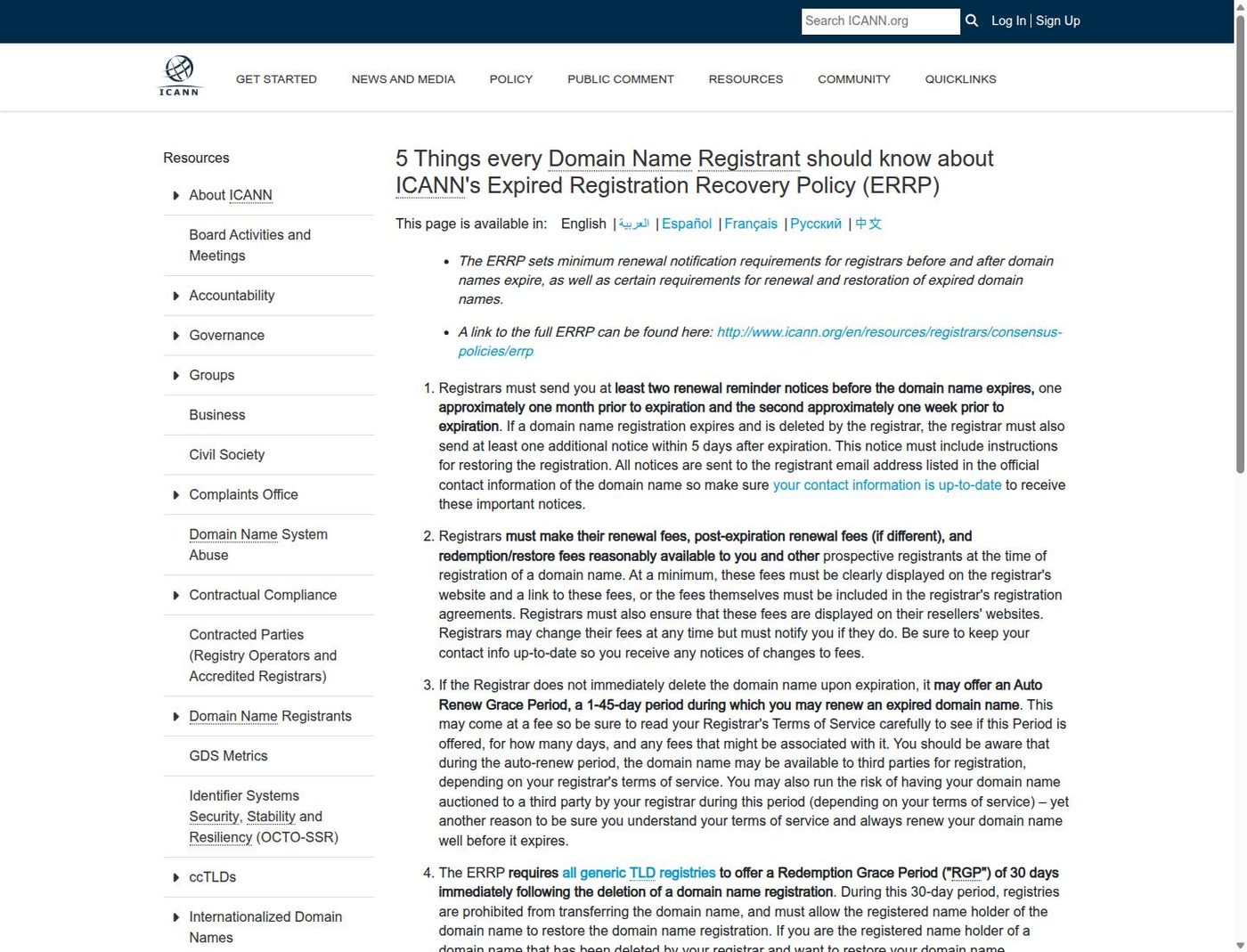
Question: Can the portfolio absorb a total loss on this name?Renewal is not optional paperwork. For many gTLDs, ICANN’s Expired Registration Recovery Policy (ERRP) sets minimum reminder notices, post-expiration recovery options, and a redemption period after deletion. Country-code domains and individual registrars add their own fees and timelines. Read the live policy and your registrar’s terms; do not assume a name waits quietly if auto-renew is off.
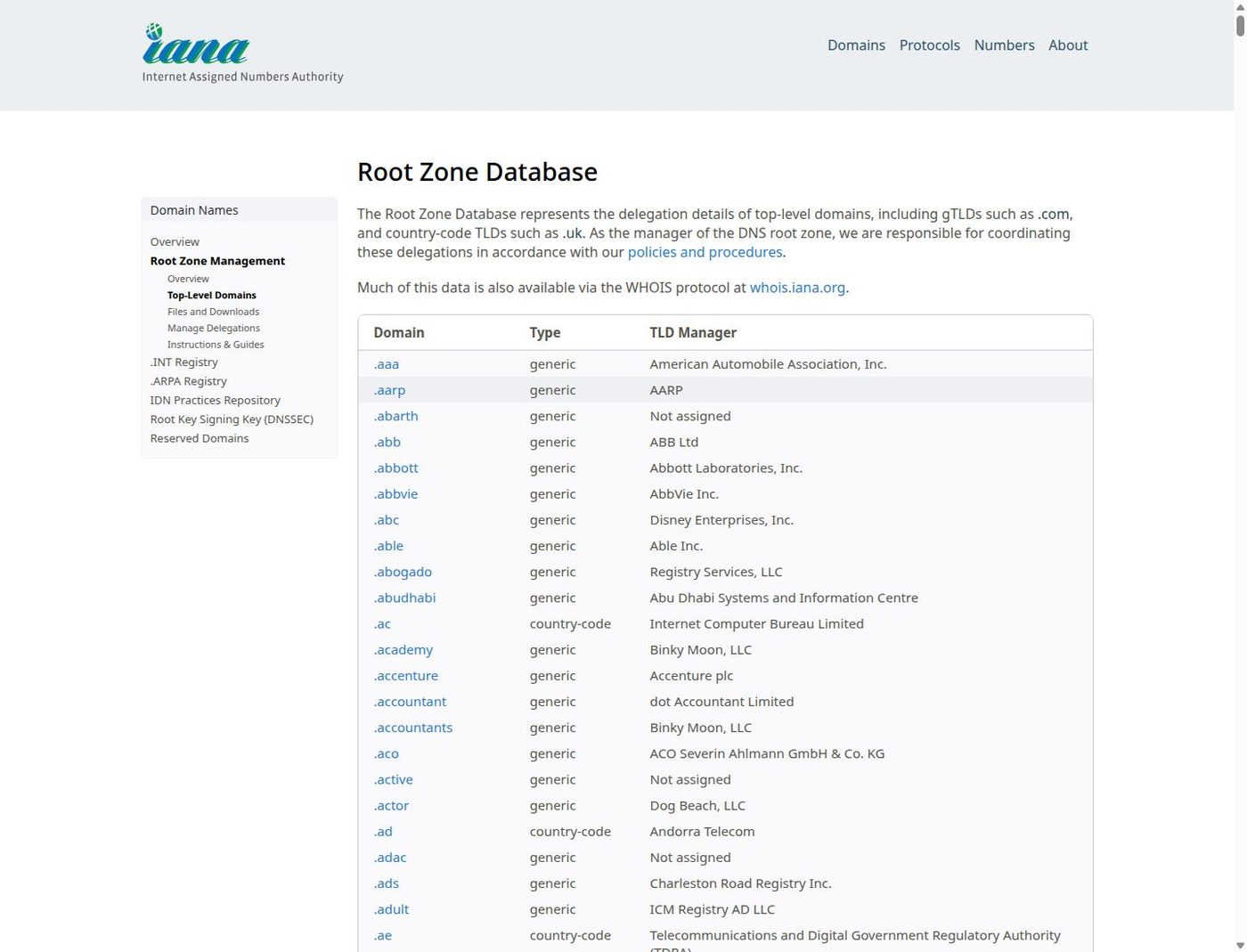
Premium renewals and registry fees differ by top-level domain. The IANA Root Zone Database identifies the registry operator for each TLD. That is the starting point for “who sets the renewal schedule,” not a price list. Confirm the actual renewal quote in the registrar account before you treat a name as cheap to hold.
How Should You Evaluate Each Acquisition?
- Assess the name, extension, spelling, audience, and plausible buyer pool.
- Support a maximum bid with comparable sales and downside, not auction momentum.
- Inspect registration, archive, backlink, traffic, and legal evidence in the vetting workflow.
- For an expired domain, treat drop or auction success as acquisition only. History still has to be reconstructed.
- Record the thesis, cost basis, registrar, expiry, and evidence at purchase so a later review is possible.
A bid that only works if Domain Rating, Moz Domain Authority (DA), or Referring Domains (RD) stay exactly where a listing screenshot showed them is not a bid. Those figures move. Price the name you can defend after they do.
How Do You Measure Portfolio Performance Honestly?
Track realized results separately from listing prices and automated appraisals.
- Total cash invested
- Cumulative renewals and operating costs
- Gross sales and net proceeds after all fees
- Number of domains held, sold, developed, and dropped
- Sell-through over a defined period
- Median holding period and net profit or loss per completed sale
Do not value the portfolio by adding all asking prices. Asking prices are not transactions. One exceptional public sale should not be projected across unrelated names. A year with no sales and a rising appraisal total is not a profitable year.
When Should You Renew, Sell, or Drop?
Review each domain well before renewal—early enough to act if a reminder is late or a contact email is wrong. Compare the original thesis with new evidence: inquiries, comparable sales, market changes, verified traffic, live links, legal risk, and cumulative cost.
- Renew when the thesis remains credible and another year of cost is justified by the remaining opportunity.
- Sell when a realistic buyer exists now and the net proceeds beat another year of holding.
- Drop when the buyer pool was imaginary, alternatives improved, costs increased, evidence weakened, or the name no longer fits the strategy.
Continuing only because money has already been spent is a sunk-cost error. Redemption after deletion is usually more expensive than a timely renewal. Plan the review on the calendar, not on the ERRP reminder.
How Do You Control Concentration?
- Avoid relying on one industry, trend, extension, marketplace, or theoretical buyer.
- Limit exposure to names with unusually high annual renewal costs.
- Keep enough cash for planned renewals without depending on a near-term sale.
- Separate speculative inventory from domains supporting operating businesses.
- Maintain an inventory record with registrar, expiry, cost basis, thesis, price, and status.
A portfolio that only works if one end user writes a cheque, or if one marketplace stays the primary venue, is a concentrated bet. Size it that way on purpose, or diversify.
What Legal Risks Should a Portfolio Avoid?
Do not build a strategy around typos, confusing similarity, former brands, or pressure on a trademark owner to buy. Domain disputes can cost more than the registration price and can result in transfer or cancellation. Review the trademark-risk checklist and seek qualified legal advice for material exposure.
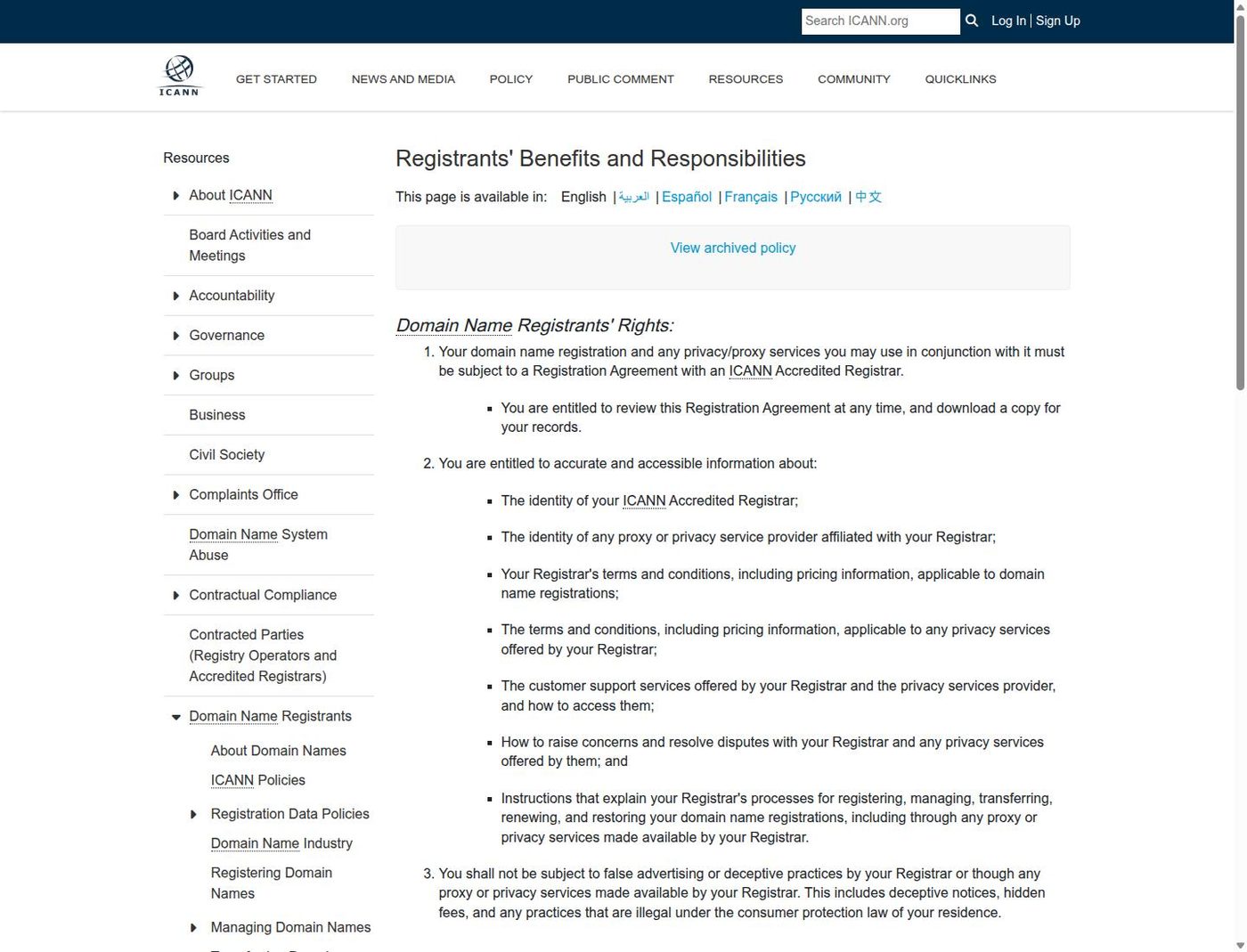
ICANN publishes registrant rights and responsibilities for names under its contracts. Those documents do not replace legal advice. They do make clear that registration is not a license to trade on someone else’s mark, and that accurate contact data is part of keeping the name.
What Exit Options Exist?
- Retail sale: Wait for a suitable end user at a defensible price.
- Wholesale sale: Accept a lower price for speed and liquidity.
- Development: Build a genuine product or publication when you have the capability and economics.
- Lease or payment plan: Use clear contracts and a provider that can enforce control and payment terms.
- Drop: Stop renewing when future cost is not justified by the evidence.
Pick the exit when you buy, then revisit it at renewal. An undeveloped name with no inquiries after several cycles is not automatically a development candidate. Development is a new project with its own costs.
When Should You Pause Buying?
Pause new purchases when any of the following is true:
- The justification is an automated appraisal or a DR screenshot alone.
- The expected buyer is a single trademark owner.
- An auction creates urgency without comparable evidence.
- Renewal costs are unclear, premium, or larger than the thesis can carry.
- Projected returns ignore unsold inventory and fees.
- Cash on hand cannot cover the next renewal cycle without a forced sale.
- Claims that aged names guarantee rankings, traffic, or fast resale are doing the work of a thesis.
A pause is cheaper than another name you cannot explain at renewal.
Primary Sources
- ICANN: 5 things registrants should know about the Expired Registration Recovery Policy
- ICANN: Expired Registration Recovery Policy
- IANA Root Zone Database
- ICANN: Registrant rights and responsibilities