


What Does a Domain Valuation Measure?
A domain is worth what a qualified buyer is willing and able to pay under the terms available. Valuation is a range supported by comparable sales, buyer demand, name quality, evidence, and risk—not a precise number generated from Domain Rating (DR) or an automated appraisal.
This page is for buyers and sellers who need a defensible asking price or offer. It is not an appraisal service. Pair it with the domain-vetting workflow before you treat any number as a bid, and with the selling guide when you are preparing a listing.
Start by naming which type of value you are estimating. Mixing them is how a wholesale name gets a retail headline, or how a developed site’s revenue gets presented as the price of the hostname alone.
The price another investor may pay while taking on holding time and resale risk.
Usually: Lower than an end-user price.The price a business or project may pay because the name fits a specific use.
Depends on: Buyer need, alternatives, timing, and budget.The price achievable quickly when certainty matters more than maximizing proceeds.
Trade-off: Faster sale, typically lower price.The value the domain could create as part of an operating website or brand.
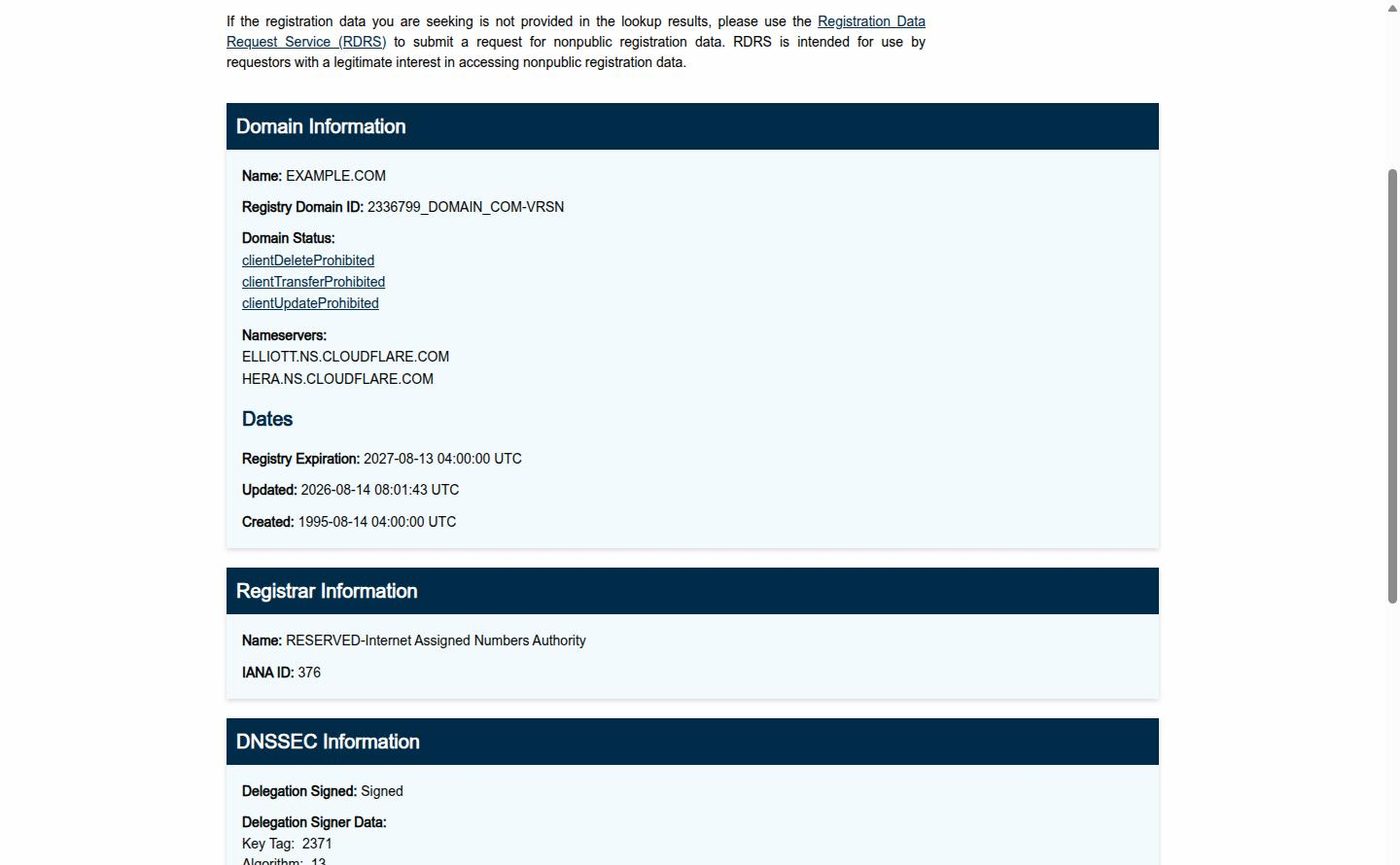
Not the same as: The value of the undeveloped domain alone.Registration age is not a type of value. Aged domains can be useful assets, but creation date does not set a dollar amount. Check dates and status in ICANN Lookup so you know transfer windows and expiry risk. Do not multiply years registered by a fixed fee.
How Do You Judge the Name Itself?
Most of the price lives in whether a real organization could use the string as a primary name. Walk these checks before you open a sales database or a backlink report.
- Clarity: Can someone hear it once and type it correctly?
- Memorability: Is it concise, pronounceable, and easy to distinguish from nearby names?
- Extension: Does the top-level domain fit the audience, geography, and expected use?
- Commercial application: Are there credible organizations that could use the name without stretching?
- Alternatives: What comparable names can a buyer register or acquire instead, and at what cost?
- Negative ambiguity: Does the spelling imply another meaning, a living person, a place you cannot serve, or a third-party mark?
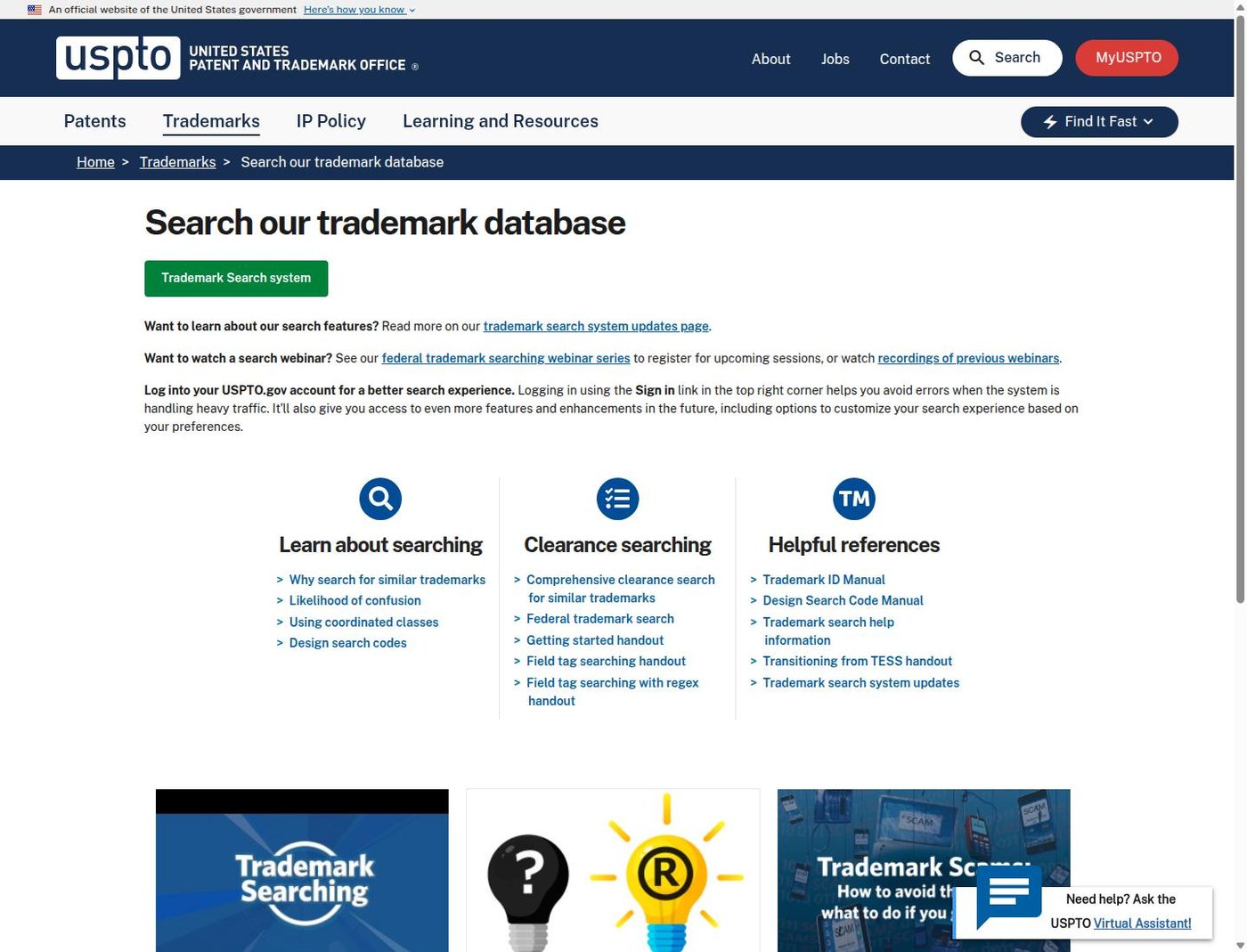
Trademark collision is a valuation problem, not a later legal footnote. Search the live trademark databases for the distinctive part of the name before you treat a keyword as “brandable.” The United States Patent and Trademark Office’s Trademark Search is one starting point for US marks. Other jurisdictions have their own registers. A confusingly similar mark can shrink the buyer pool to zero for an end-user use even if investors still trade the string.
If the hostname matches an active brand you will not operate, stop treating retail value as available. See trademark risk on expired names. A defensive or wholesale bid can still exist. An end-user appraisal usually cannot.
How Should You Use Comparable Sales?
Search public sales databases such as NameBio and marketplace reports for names with similar extension, length, structure, industry, and buyer use. A shared dictionary word is not enough. greenlamp.com is not a comparable for greenlamps.net merely because both contain “green.”
Record the sale date, venue, disclosed price, extension, name pattern, and whether the buyer appears to have been an investor or an end user when that can be established. Then discount the comparable when:
- The sale is several years old and the extension or keyword market has moved.
- The venue was a fire-sale auction, a bundled portfolio, or a private deal with unstated extras.
- Payment plans, commissions, or included websites were not separated from the hostname price.
- You cannot tell whether the buyer needed that exact brand or was filling a wholesale inventory.
Public databases are incomplete. They omit many private transactions and often omit terms. Use them to bound a range, not to certify a number. If you cannot find close comparables, say so in the write-up. Silence is more honest than stretching a distant sale.
How Do You Separate Domain Evidence From Business Evidence?
Verified type-in traffic, leads, or revenue can support value, but only for a defined period and operating setup. Ask for read-only analytics or platform evidence. Distinguish direct navigation from organic, referral, paid, and bot traffic. Third-party traffic estimates are not analytics.
If a website, content library, customer list, software, or trademark is included, value those assets separately. A website multiple should not be presented as the value of the domain alone. After the site is gone, type-in and residual links may remain; content rights and customer data usually do not transfer unless the contract says they do.
Historical use can raise or lower the domain’s own value. Reconstruct former topics in the domain-history workflow and judge niche relevance against the intended use. A clean archive does not create a retail price by itself. A spam or phishing period can erase one.
What Do Backlinks Contribute to Price?
Live, relevant editorial links can create referral value and may support discoverability. Inspect the source pages, historical destinations, anchors, and likelihood of retention using the backlink-profile process.
Do not multiply DR by a fixed dollar amount. DR, Moz Domain Authority (DA), Trust Flow, and traffic estimates are provider-specific indicators. They do not prove Google trust, clean history, revenue, or future rankings. Referring Domains (RD) counts can include directories, sitewide footers, and expired citations. A small number of credible relevant links may be more useful—and more durable—than a large manipulated profile.
Price only the links you can still explain after acquisition. Links that depend on a former brand, a copyrighted report you cannot republish, or a redirect you will not keep should not be valued as if they will support the new site.
How Do You Estimate the Real Buyer Pool?
A name with one theoretical end user is not the same asset as a name several organizations could use. Work the pool on paper before you set an aspirational price.
- List organizations for which the name would be a natural upgrade from what they use today.
- Remove companies that already own a strong primary name, cannot use the extension, or operate in a geography the TLD contradicts.
- Consider whether multiple buyers exist. One theoretical buyer creates concentration risk.
- Estimate how urgently any buyer needs the name and what alternatives cost, including a new registration.
- Do not contact parties where the name creates a trademark or impersonation concern. That outreach is not diligence; it is a legal problem.
If the remaining list is empty, you are looking at wholesale or liquidation value, or at holding the name for a use you will operate yourself. That last case is development value. It is not a market comparable.
Which Costs and Risks Reduce Value?
Gross asking prices ignore the cash that leaves around the deal. Deduct, or at least document:
- Annual renewal and premium-renewal fees for the holding period you actually expect
- Marketplace commission, broker fees, escrow, payment processing, and currency conversion
- Taxes and accounting costs applicable to the seller
- Trademark, dispute, reputation, or prior-use risk
- Expected time to sell and the possibility that no buyer arrives
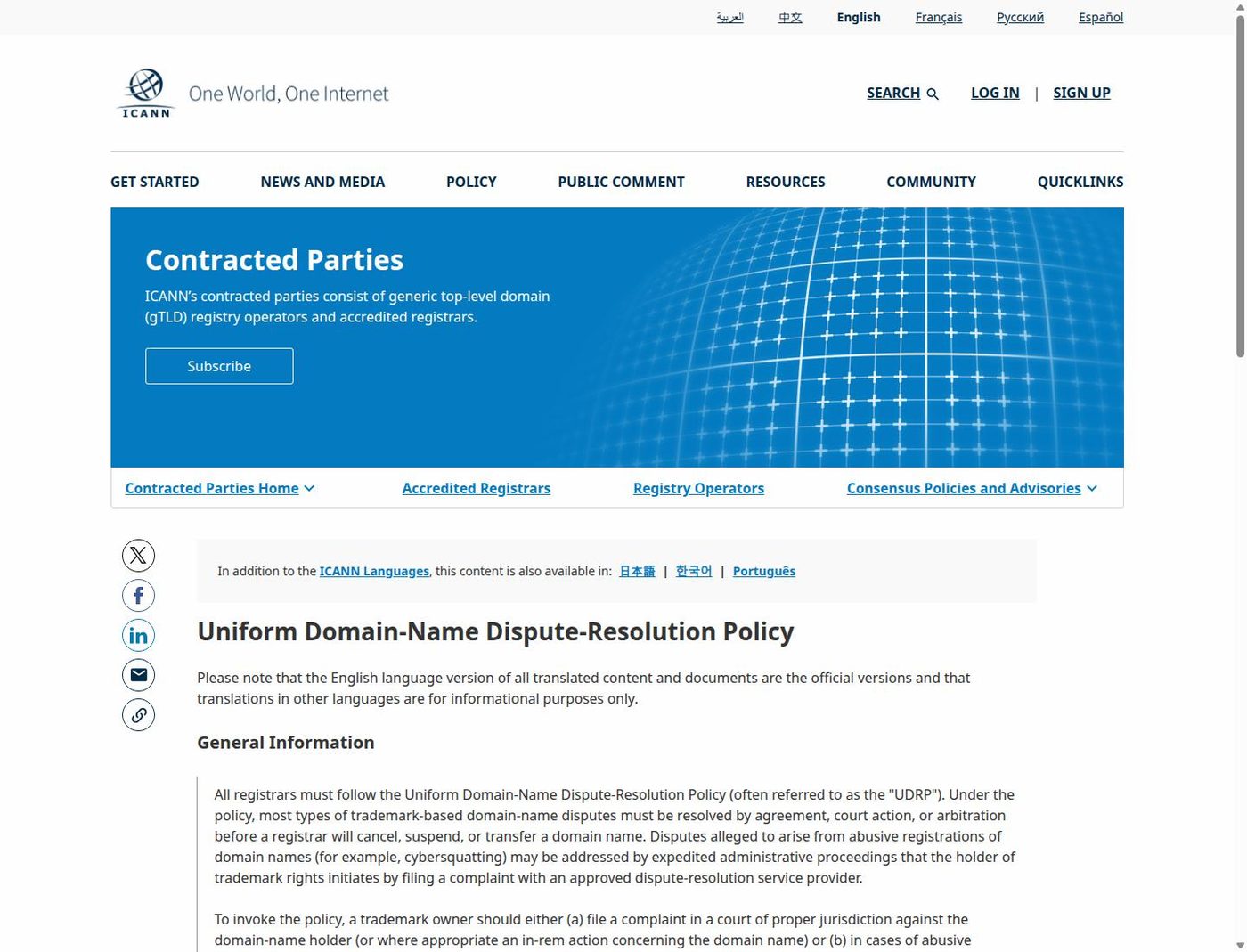
Dispute risk is not theoretical. ICANN’s Uniform Domain Name Dispute Resolution Policy (UDRP) is one process that can take a name from a registrant when the complainant shows the required elements. A name that looks like an active mark is harder to defend and harder to sell to an end user. Price that in, or walk away.
Illiquidity is a cost even when no fee is charged. A name that may take years to sell is not worth the same as a name with a visible, funded buyer today. Portfolio holders should keep that distinction in the domain-investment records rather than in a single appraisal screenshot.
How Do You Build a Floor, Target, and Aspirational Price?
Use three numbers and write the assumptions under each:
- Floor: The lowest price acceptable after fees, taxes, holding cost, and the next-best alternative (keep, develop, or drop).
- Target: A price supported by the strongest comparable evidence and a realistic buyer pool—not the best sale in a distant category.
- Aspirational price: A higher figure that may require a uniquely motivated buyer and a longer holding period. It is a listing experiment, not a market proof.
If the valuation changes dramatically when one traffic estimate or one backlink is removed, the price is fragile. Rebuild the range without that input. The remaining number is the one you can defend.
What Can Automated Appraisals Not Tell You?
Automated tools are useful for generating another reference point or identifying possible comparables. They cannot know a buyer’s strategy, undisclosed sales, legal constraints, verified revenue, negotiation leverage, or the condition of individual backlinks.
Treat an automated result as an input—not an offer, not a replacement for comparable-sales work, and not a guarantee you can quote to a buyer. If two tools disagree by an order of magnitude, that disagreement is information: the name is not mechanically priced. Go back to name quality, comparables, and the buyer pool.
When Is a Price Too Fragile to Use?
Do not treat the current number as a bid or an asking price when any of the following is true:
- The range depends on a single unverified traffic screenshot or an undated DR export.
- Close comparables are missing and the write-up substitutes a metric multiple instead.
- Trademark or UDRP exposure has not been checked for the distinctive string.
- The “value” includes a website, leads, or content that will not transfer.
- Wholesale and retail numbers have been averaged into one figure.
- You cannot explain the price in a short paragraph without the SEO score.
A fragile price is a reason to wait, to buy more evidence, or to bid only at liquidation value. It is not a reason to round up.
Primary Sources
- ICANN Lookup
- USPTO: Trademark Search
- ICANN: Uniform Domain Name Dispute Resolution Policy
- NameBio (public comparable-sales database; incomplete by nature)